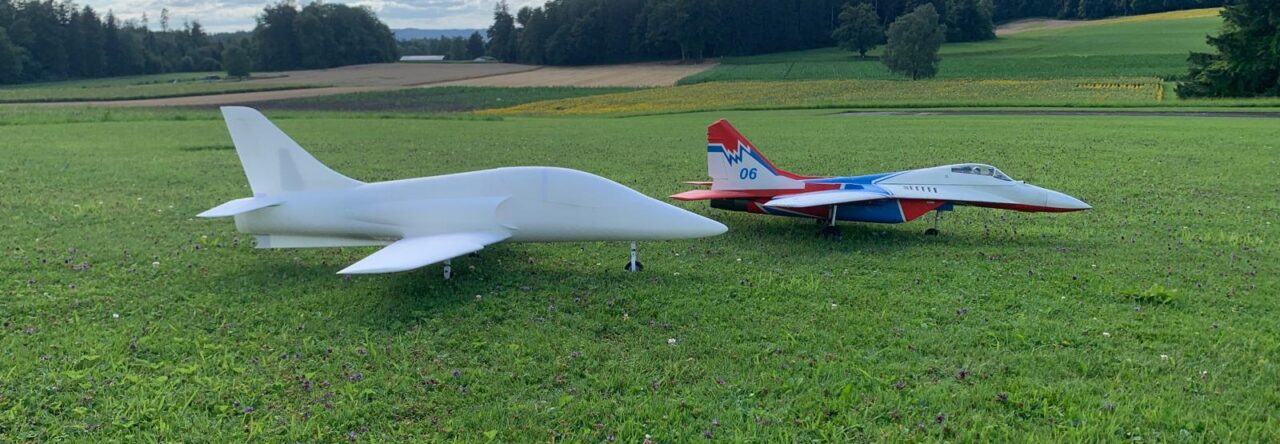
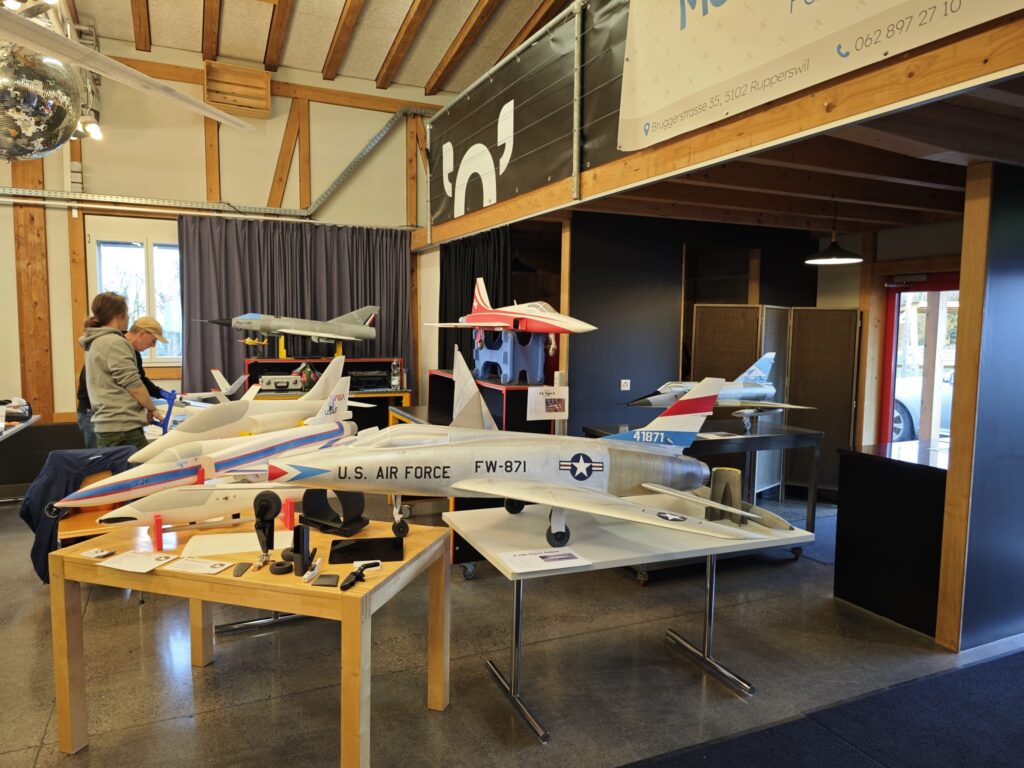
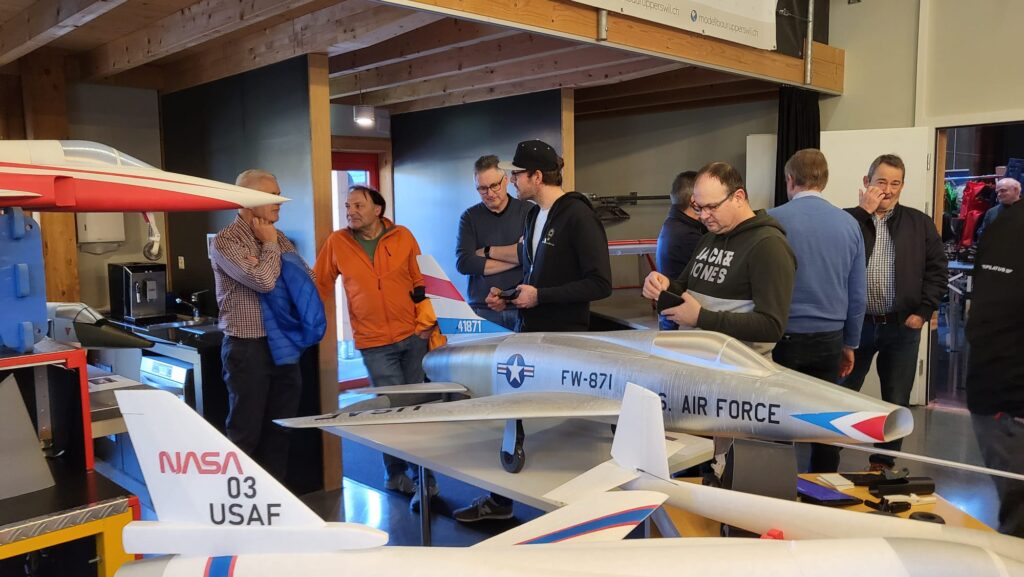
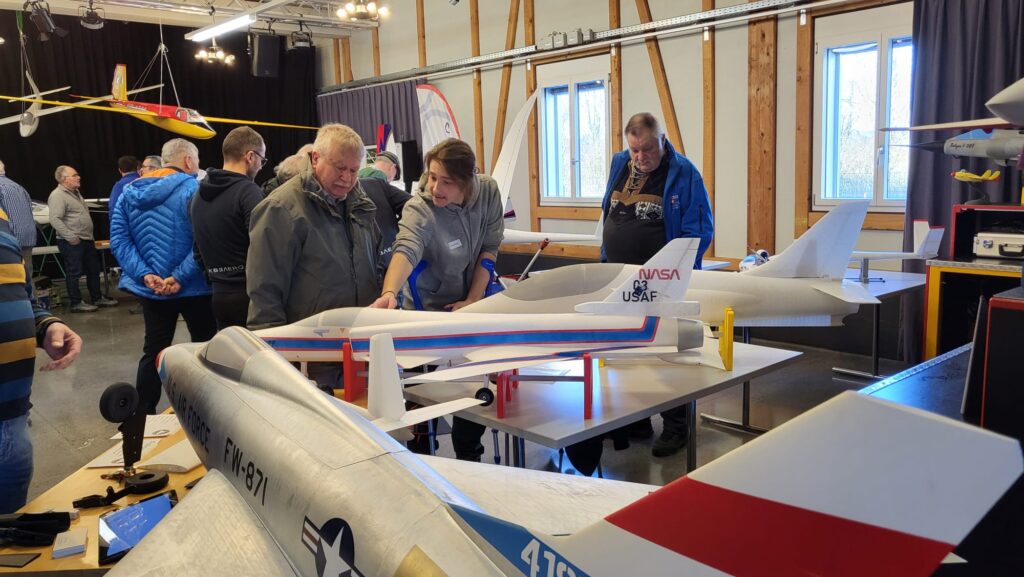
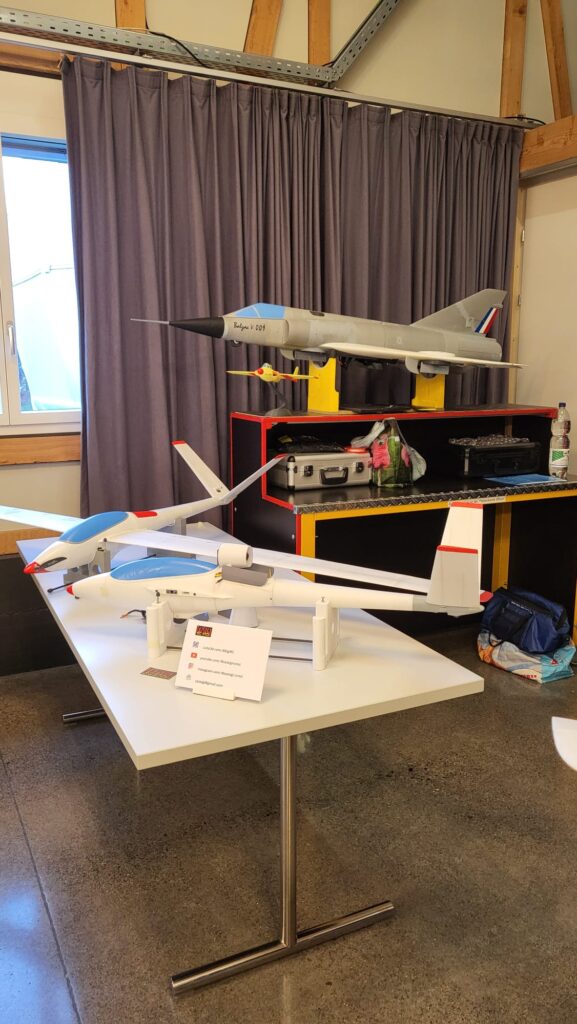
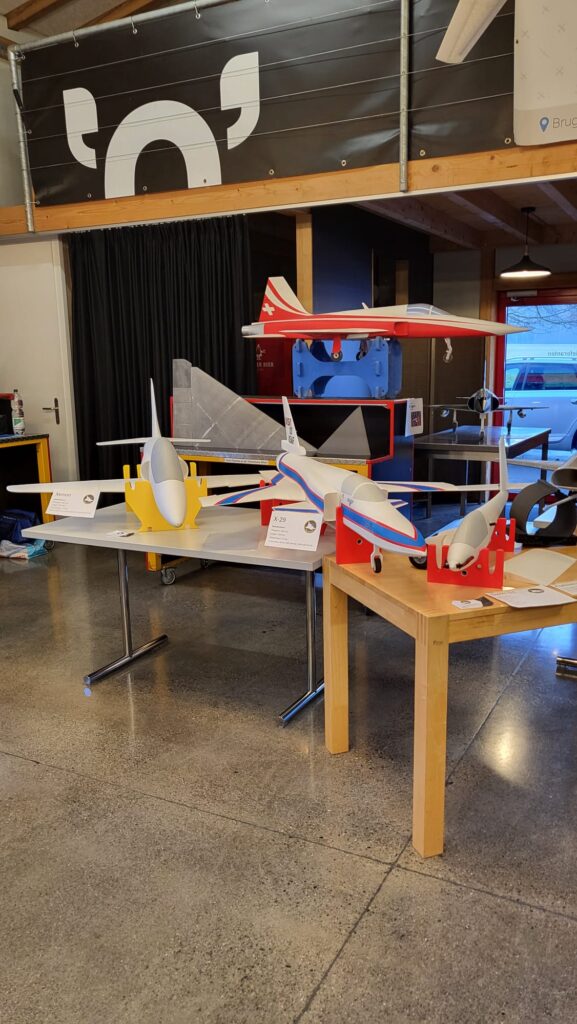
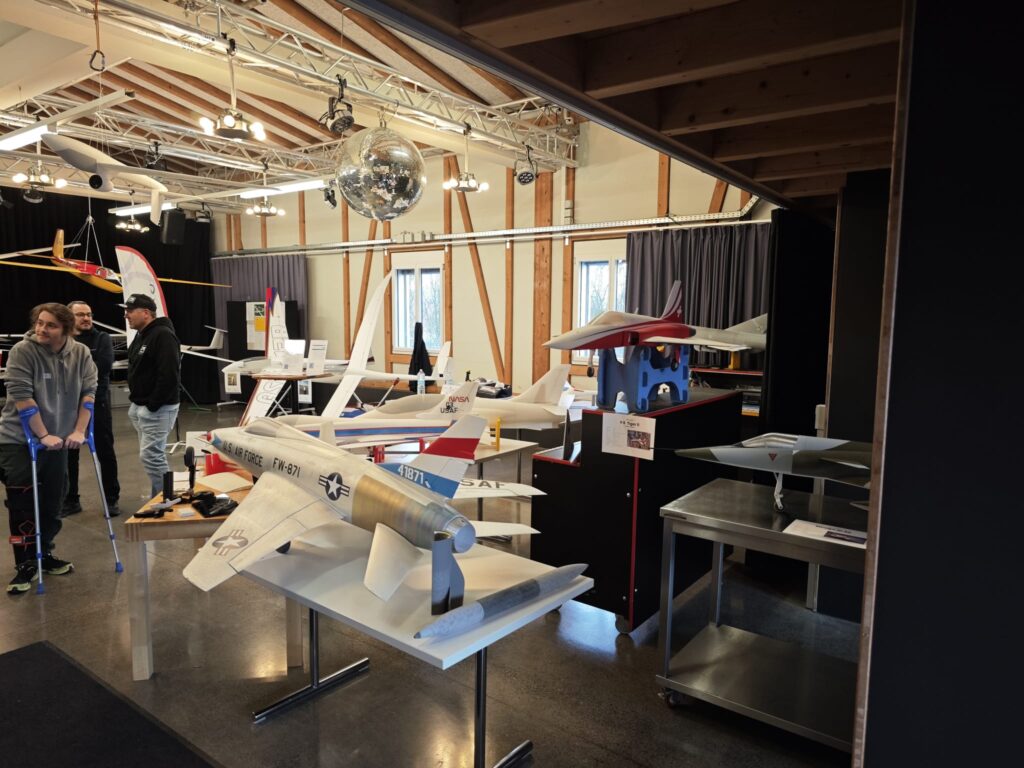
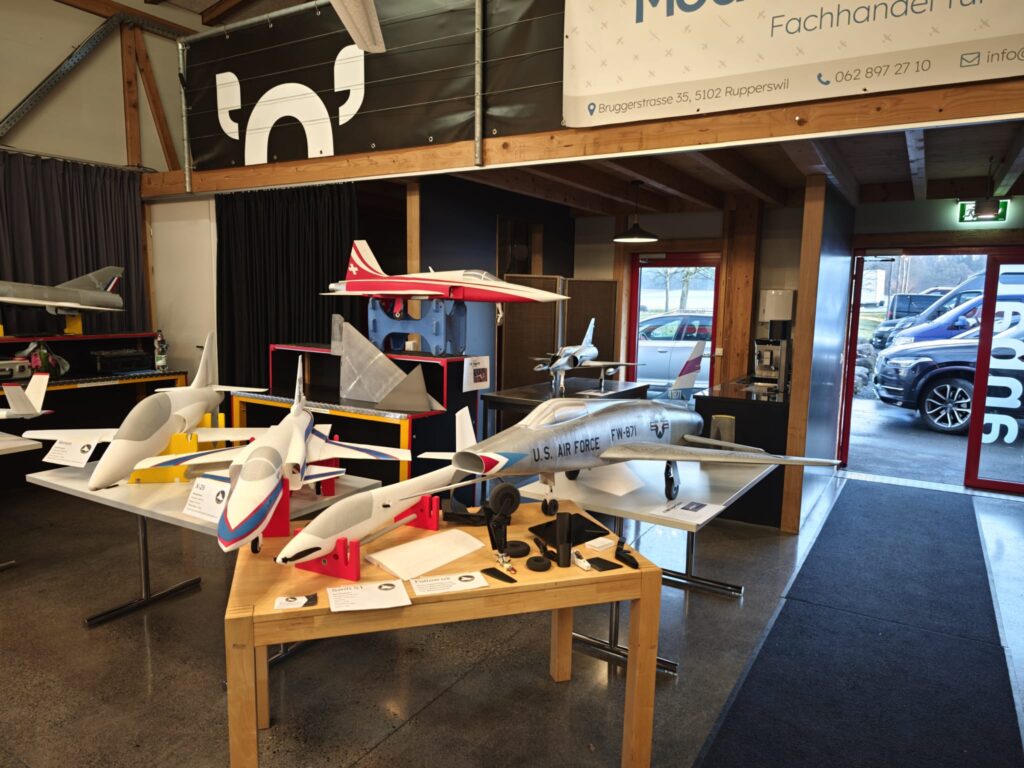
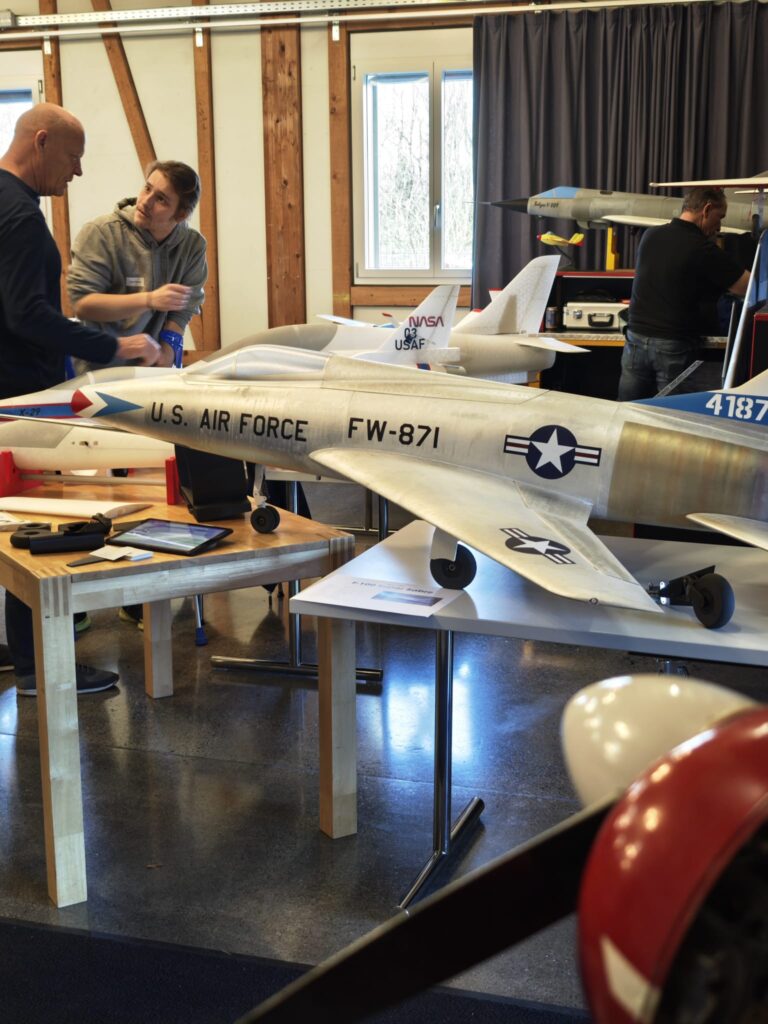
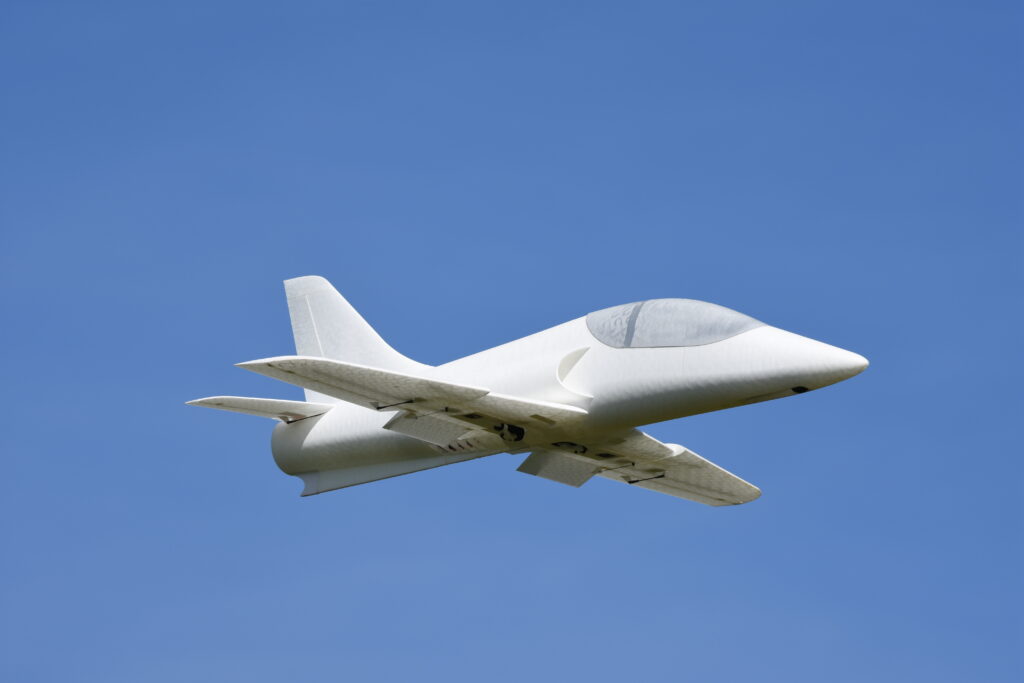
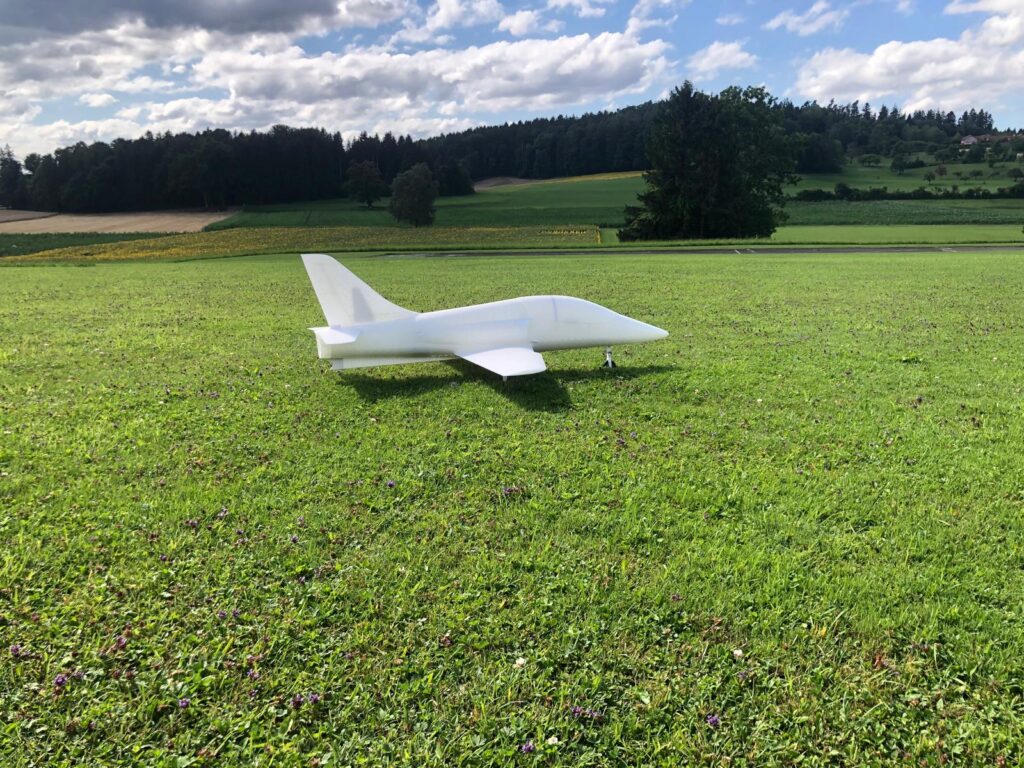
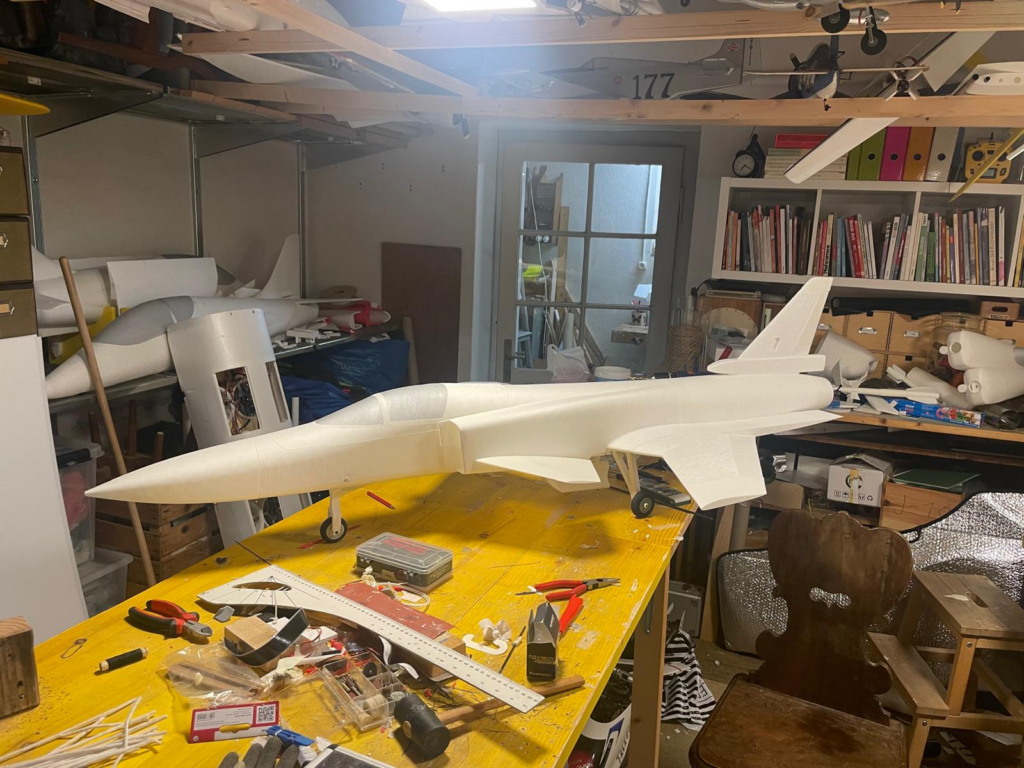
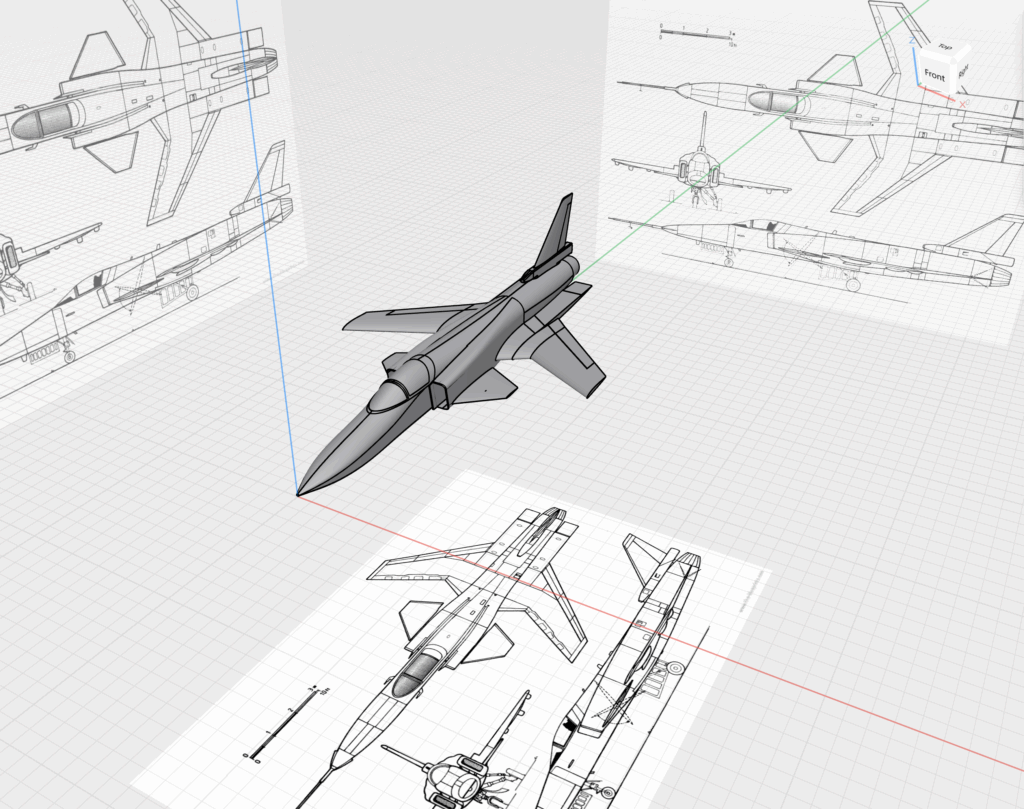
On Feb. 7th, I had the opportunity to present our latest products and technological innovations at the Expert Meeting 2026, together with MB-Innovative and zazsigi.rcvtol. I showcased the 90mm Xenon, the two motorized Swift models, and the X-29. The Choco Fly video includes our exhibition presentations (starting at 8:20 minutes), with insights into the technical concepts and live demonstrations.
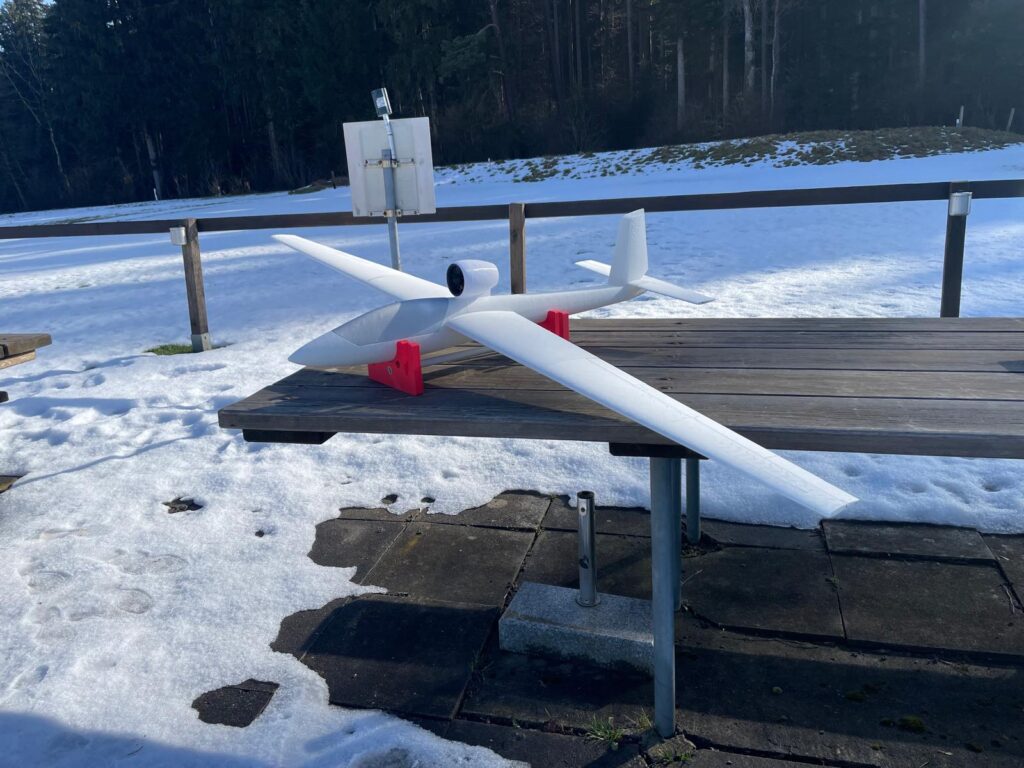
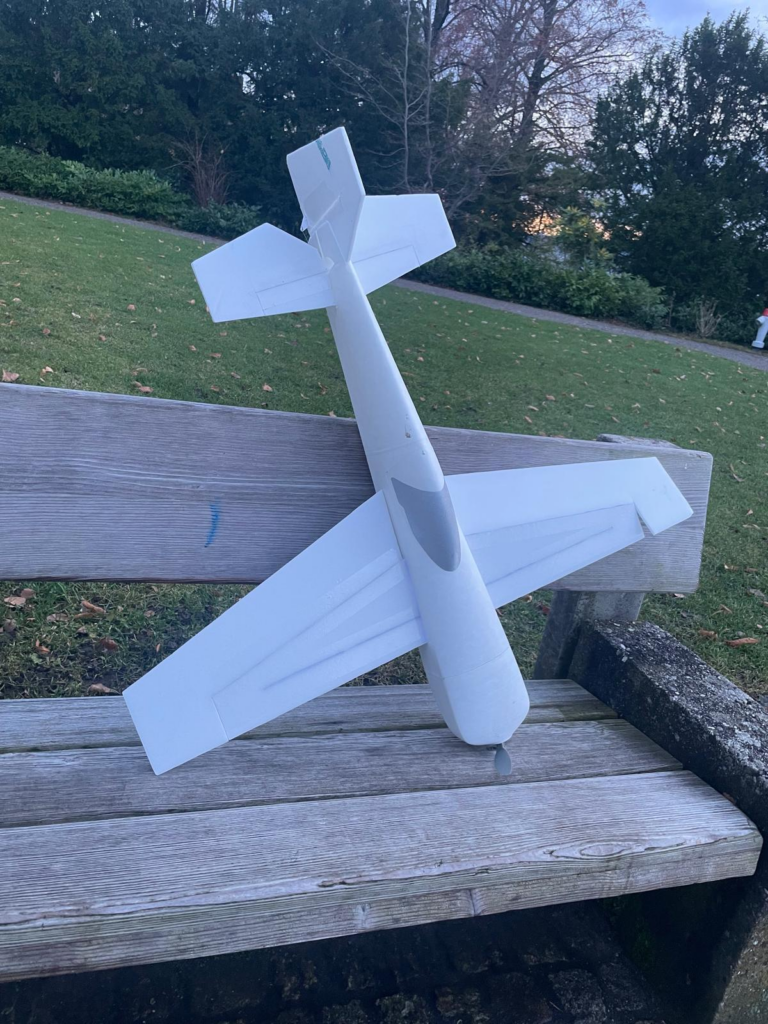
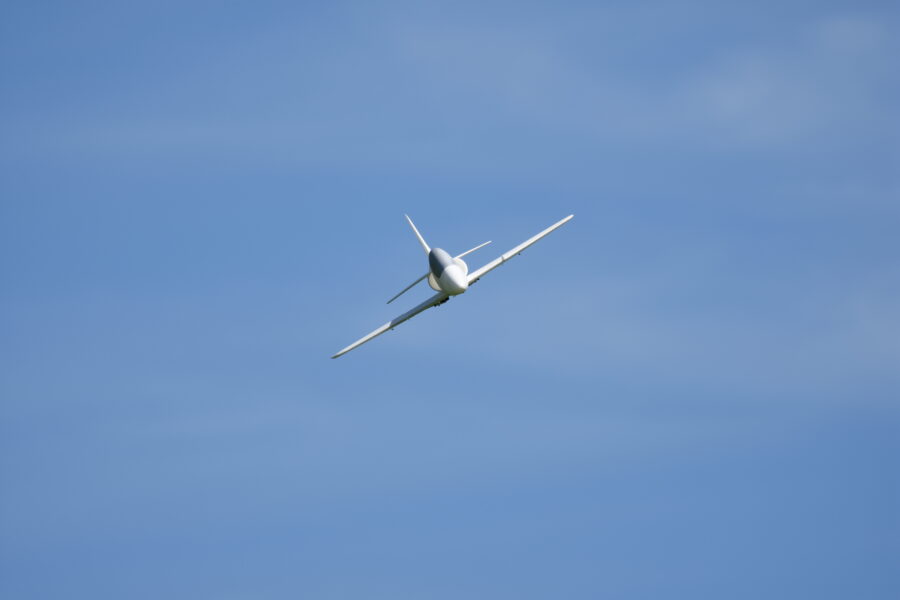
A fun, lightweight sport glider designed for precision aerobatics and pure enjoyment, completely 3D printed from LW-PLA and PETG.
The Swift features fast and secure snap and friction-fit connections on the wings and canopy, allowing for quick and uncomplicated setup at the model airfield.
Minimum printer size: 250 × 250 × 250 mm
General Specs
Wingspan: 2100 mm
Length: 1150 mm
Versions Wings
There are two options for the wings: 2-surface and 4-surface wings (with or without flaps). The flaps can help slow down the glider during landing in both the propeller and pure glider versions.
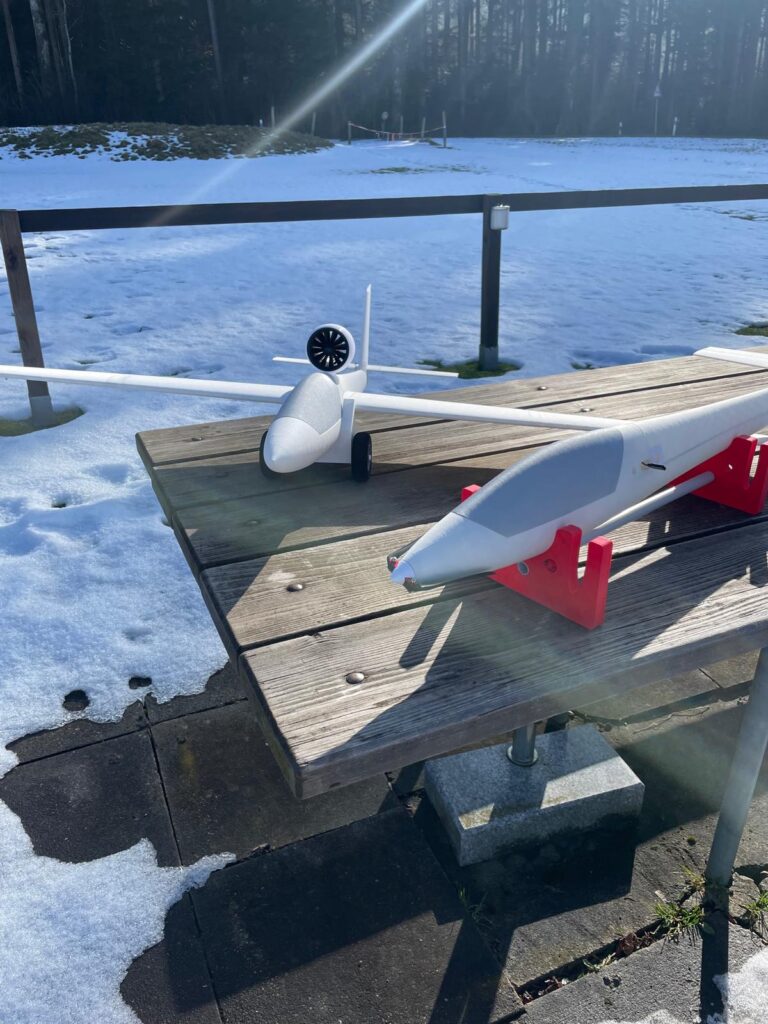
EDF Glider
The EDF version is designed for the Freewing 64 mm 6S setup. I fly it with an 80A ESC and a 1700 mAh 95C 6S LiPo. For launching, I suggest using a launch cart. The high-mounted EDF can overpower the elevator when airspeed is insufficient.
Flying weight: approx. 1.7 kg
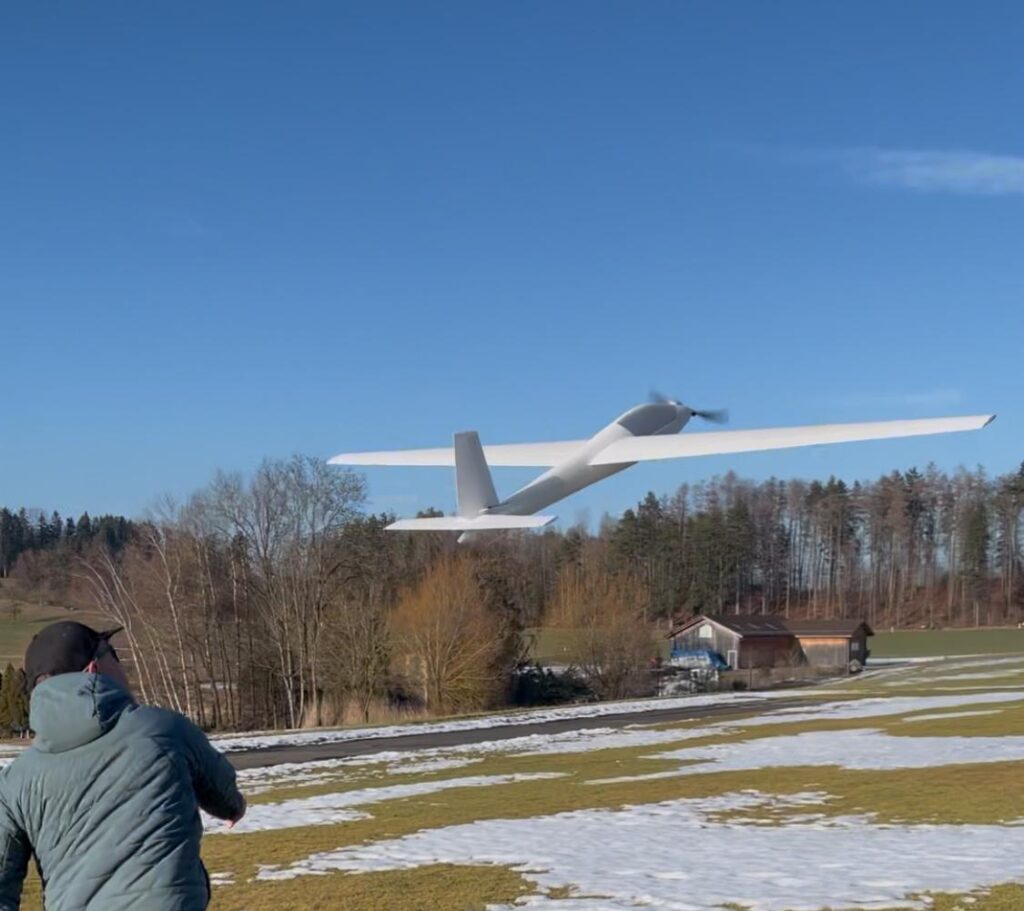
Propeller Glider
The propeller version is designed for simple use at airfields or in the mountains. It uses a 3S power setup with an 11×8 folding propeller, delivering sufficient climbing performance. Hand-launching is easy and comfortable. The motor mount can accommodate any motor with a maximum outer diameter of 33 mm.
Flying weight: approx. 1 kg
Pure Glider Version
This version does not feature a power plant. It is designed for mountain soaring or to be towed by another plane—or any other creative way to gain altitude.
Flying weight: approx. 800 g
Build Instructions
I used ColorFabb LW-PLA with 65% flow. All parts are single-wall printed with 3% infill, except for all rudder surfaces, which are printed with 5% infill. The PETG skid is printed with a double wall to strengthen the fuselage for mountain flying.
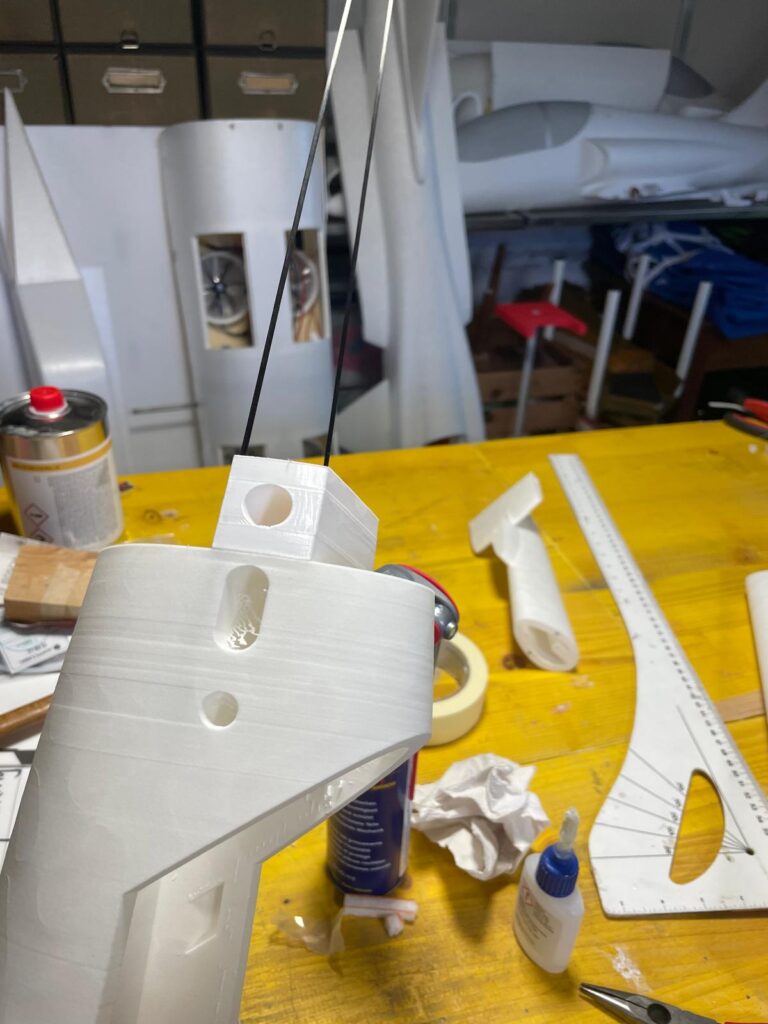
The fuselage is built around two CFK rods running the length of the fuselage. Start by gluing these two rods into the tail section, then stack the next parts on top using the rods as alignment and support.
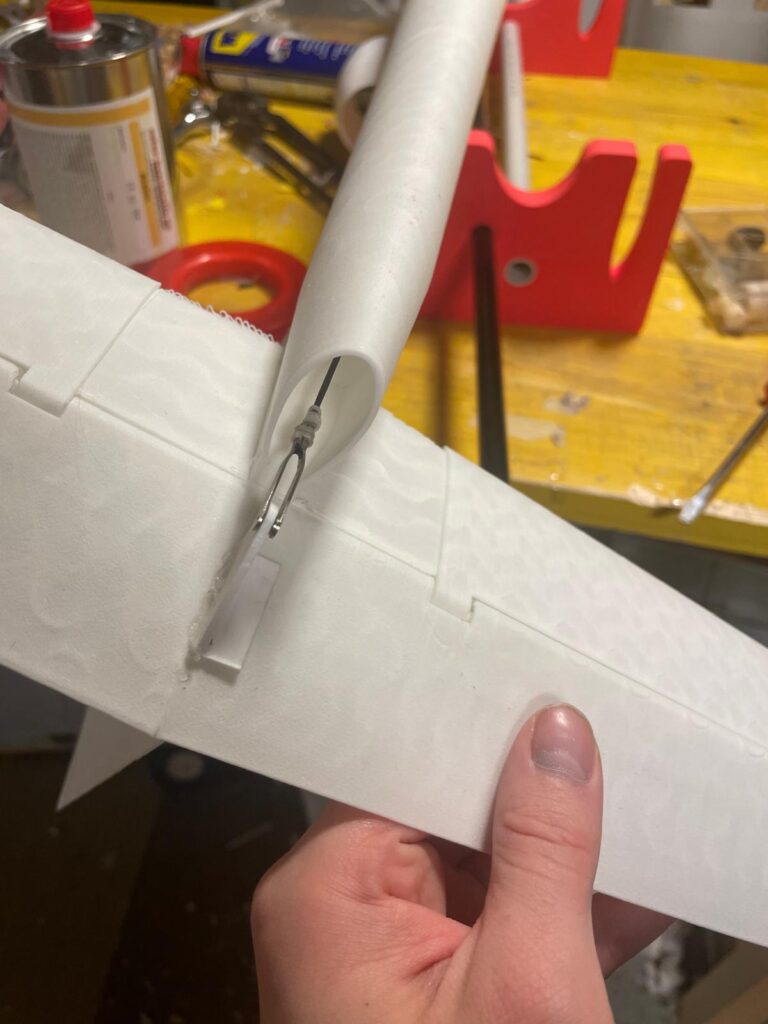
When building the fuselage, make sure to connect the elevator hinge to the elevator before gluing the tail cone, as shown in the picture above.
When building the wing, use a 10 mm × 1000 mm CFK tube to align the sections. The 10 mm tube is glued into each wing side, while the 14 mm tube is removable.
Center of Gravity (CG): 50–45 mm aft of the leading edge, measured at the wing break.
Materials Needed
2 m × 10 mm CFK tube, cut into 2 × 1000 mm front wing tubes
1 m × 14 mm CFK tube, main wing tube
5 m × 2 mm CFK rod for linkages, hinges, and fuselage strengthening (2 × 660 mm)
This indoor Edge is a fun and quick project for the winter season. The fuselage is 3D-printed from ColorFabb LW-PLA at 65% flow. The infill used is specified in the name of each respective part. The wings and rudder are made from 6 mm Depron foam and reinforced with a 6 mm CFK tube. The plane is powered by a Racing Drone 2206 2300 KV motor on a 35 A ESC with a 3S 500 mAh battery and uses four 5 g servos.
I suggest reinforcing the motor plate with plywood.
The hinges are cut in along the marked lines, beveled at 45° on both sides, and then reinforced with packing tape.
Specs:
-Wingspan: 940 mm
-Length: 910 mm
-Weight: approx. 300 g
-Center of Gravity (CG): 90 mm behind the leading edge
A fun, lightweight 90mm EDF sport jet designed for precision aerobatics, completely 3D printed from LW-PLA and PETG.
The Xenon features multiple fast and secure snap connections on the wings and canopy. These allow for a quick and uncomplicated setup at the model airfield.
Specifications:
Wingspan: 1380 mm
Length: 1670 mm
Flying Weight: ~3.6 kg
Power Setup: 90 mm EDF, 90A ESC, 5300 mAh 6S LiPo
Build:
I used ColorFabb LW-PLA with 65% flow. The infill used is specified in the name of each respective part.
Minimum Printer size 250X250X250mm
We recommend a Freewing Landing gear with 50 mm tires on the main gear.
Center of Gravity (CG): 130 mm aft of the leading edge, measured at the wing break.
Materials needed:
2 m × 10 mm CFK tube, cut into 2 × 610 mm and 2 × 390 mm
4 m × 2 mm CFK rod for linkages and hinges
1 m × 5 mm CFK tube, cut into 2 × 200 mm for elevator reinforcement
I have always been interested in NASA’s experimental aircrafts. The X-29, in particular, has fascinated me because of its unusual wing geometry and the aerodynamic advantages associated with it.
Therefore, I decided to design my own model. My goal is to replicate the original as closely as possible, including actively controlled canards, conventional control surfaces, and a retractable landing gear.
For the power unit, I chose a 90 mm EDF, which fits the size and performance requirements of the project.
Specifications:
A 90mm EDF Sport-Jet
Wingspan: 1000mm
Length: 1750mm
Weight: 3.6Kg
Power Setup: 90mm EDF, 90A ESC, 5300mAh 6s Lipo
To figure out the right CG for the final jet, I built a 45% scale model and tried it out as a hand-launch glider.
After the success of the 90mm EDF Xenon, I wanted to make a vectored version so that I could hover it. I already had an 8S 90mm EDF setup lying around, so I made a tall version that is interchangeable with the normal version. I used a ball link as the base design for the vector unit. I also wanted to make it as simple as possible to make the building experience easier and cleaner.
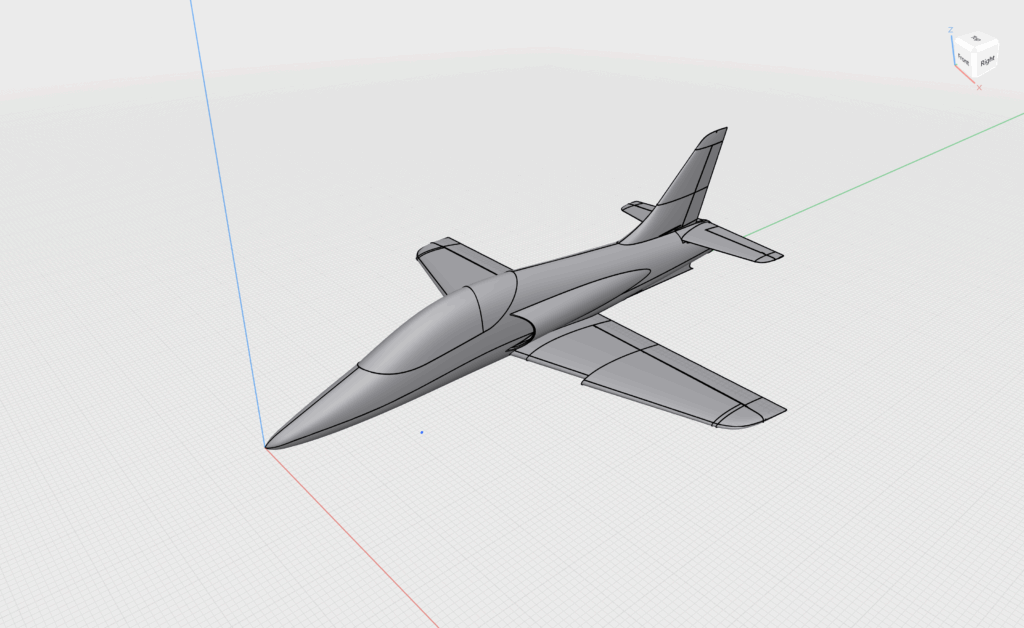
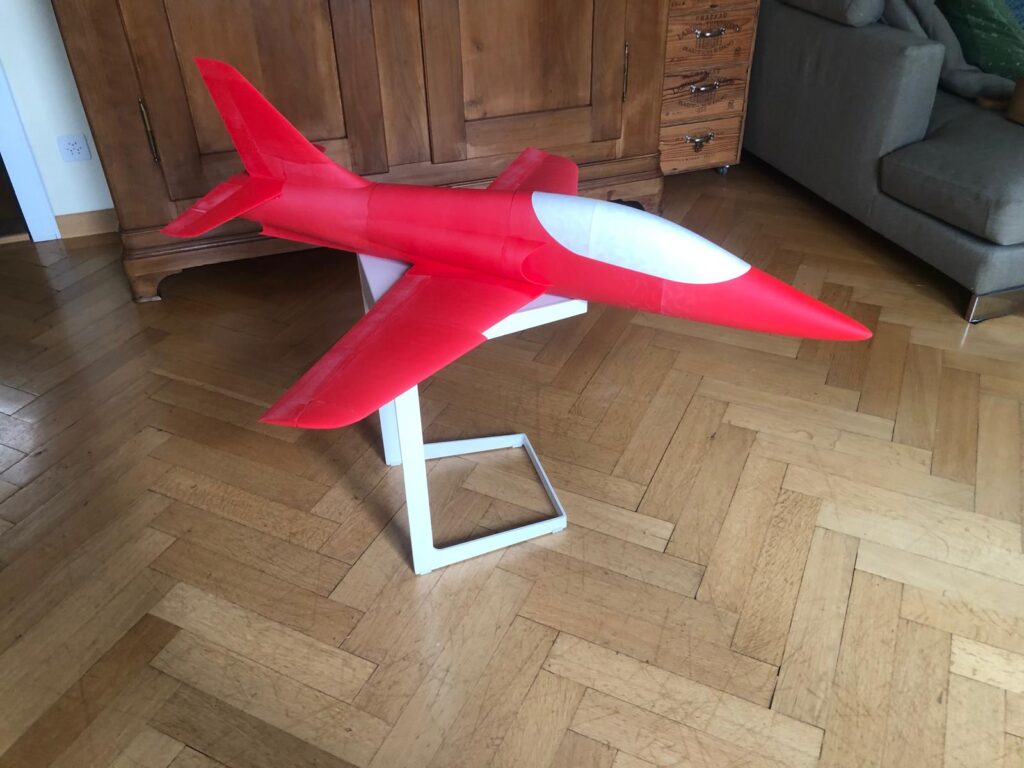
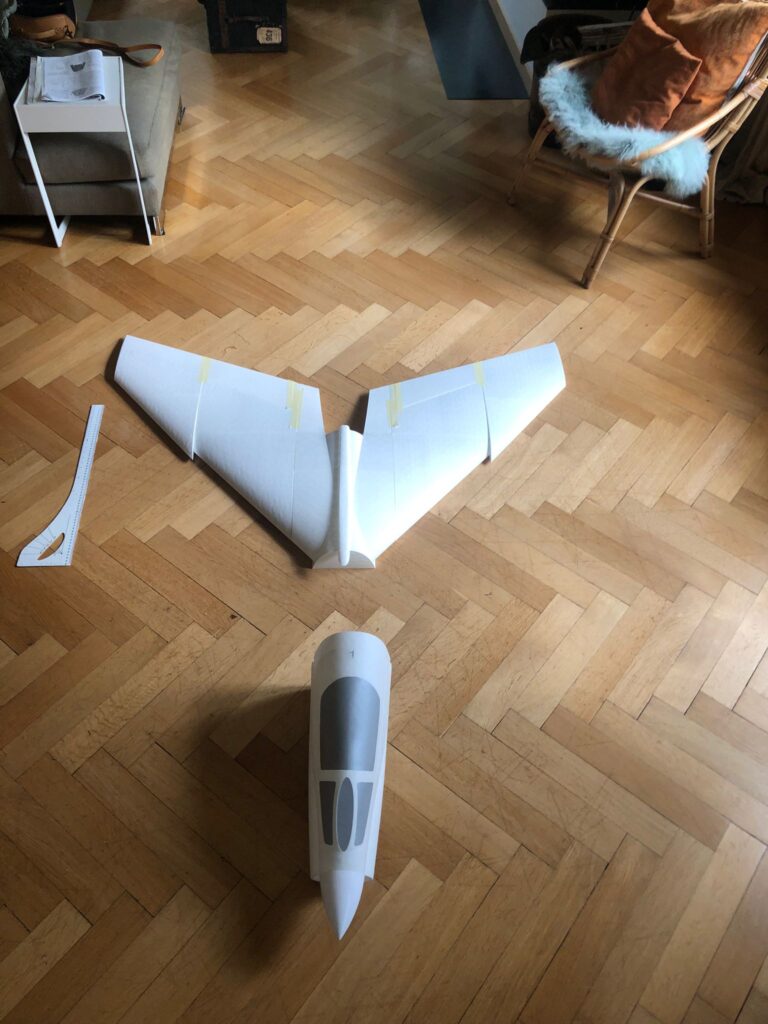
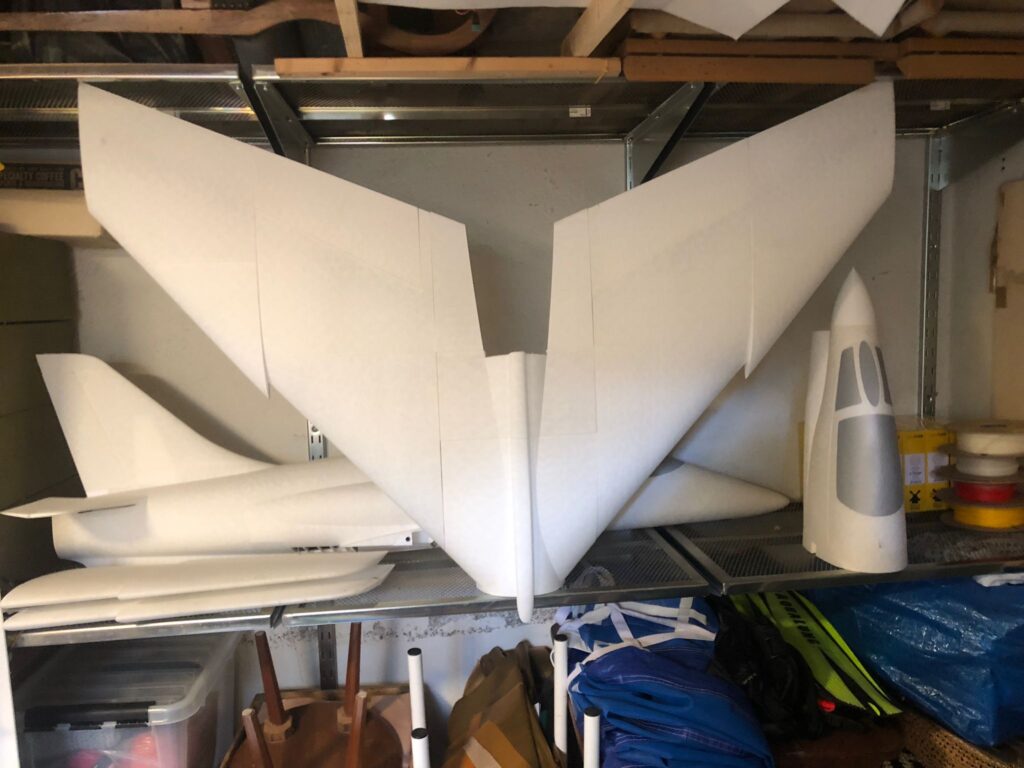
A fun, lightweight 64mm EDF sport jet designed for precision aerobatics, completely 3D printed from LW-PLA.
The 64mm EDF Xenon is the smaller version of the original. I wanted to create a lighter and simpler model, so I scaled it down to this size. It only uses three servos, one EDF, and one ESC, while still keeping the amazing flight characteristics of the larger one. It is also designed for hand-launching on a 6S setup or for dolly takeoff on a 4S setup. Additionally, it was specifically designed to fit a 250×250×250 mm print volume.
Minimum Printer size 250X250X250mm
Wingspan: 950 mm
Length: 1150 mm
Flying Weight: ~800g
Power Setup: 64 mm EDF, 60A ESC, 1700-2300 mAh 4S-6S LiPo
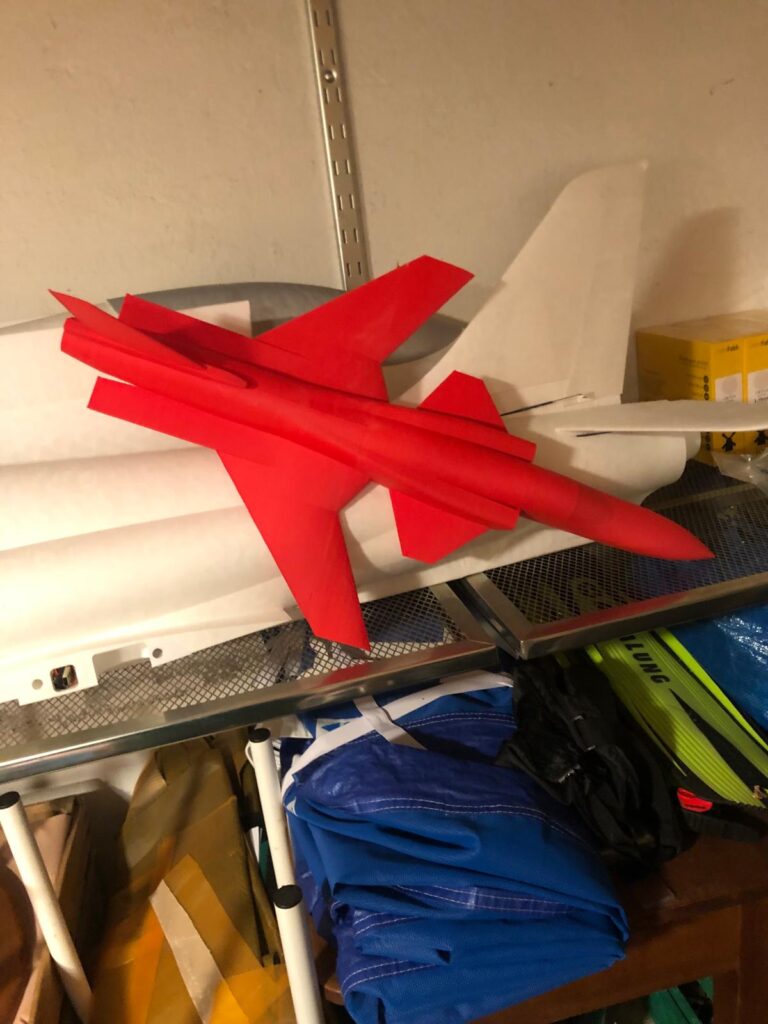
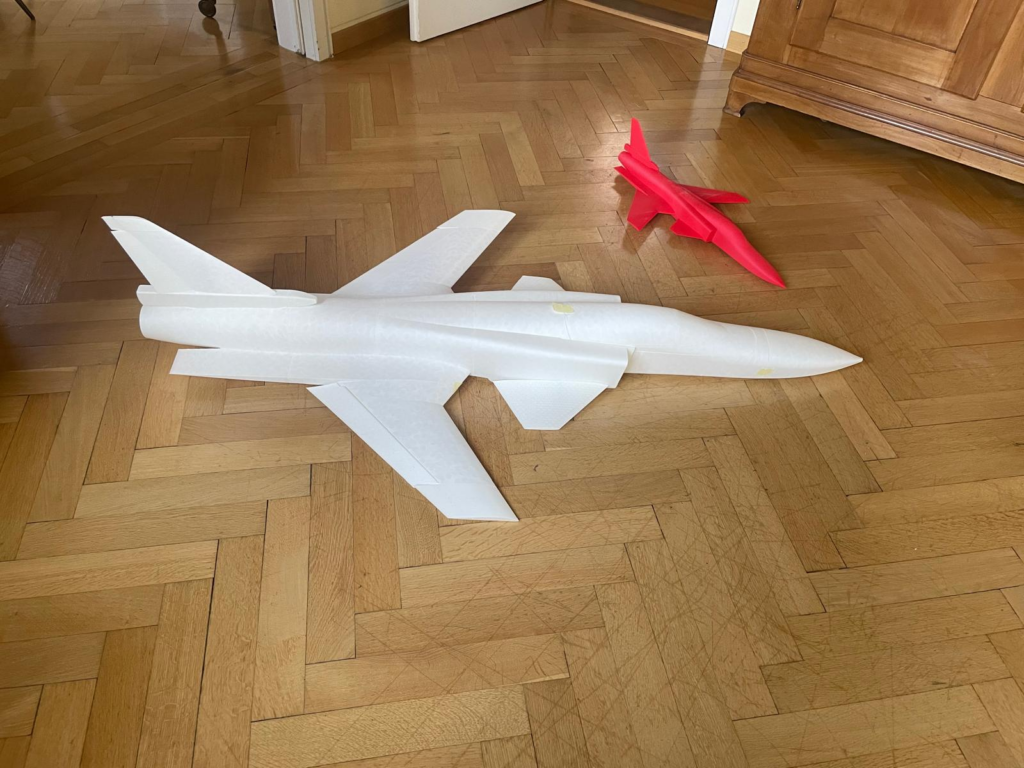
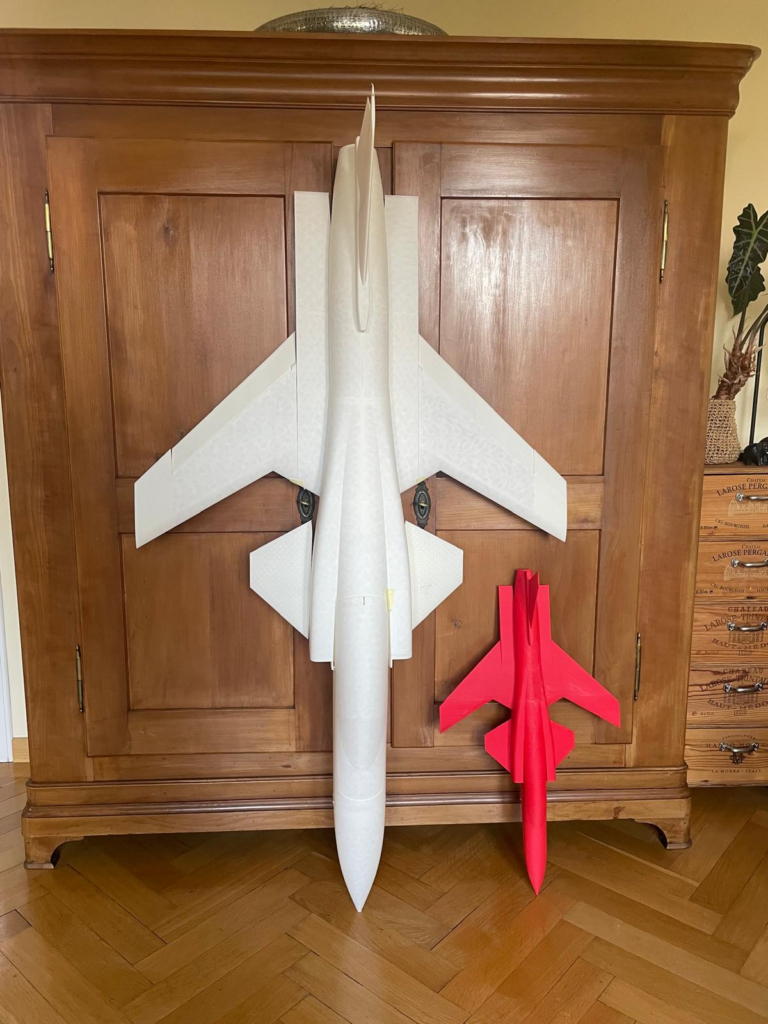
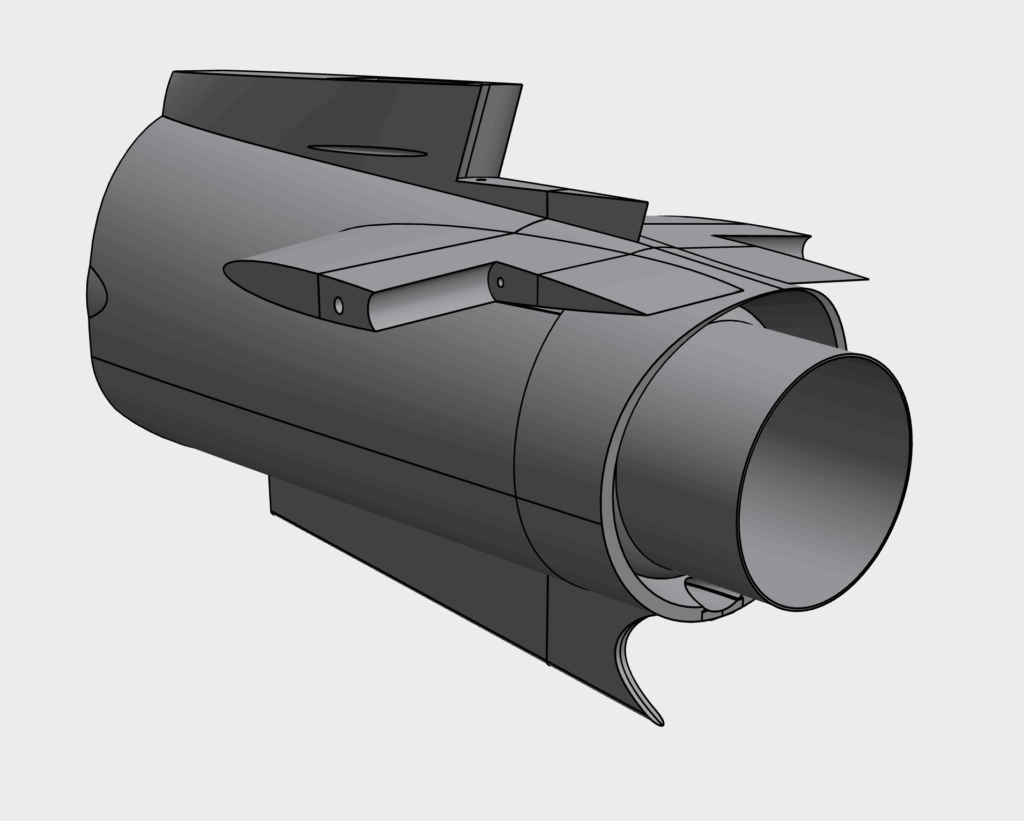
The goal of this project was to design and build a fully 3D-printed turbine-powered jet. At the start of the project, I already had an SW80 turbine, which served as the basis for the aircraft design.
Design Choice
I chose to model the aircraft after the F-8, primarily because of its wing-hinge mechanism. This design presented an interesting engineering challenge: integrating the mechanism with the constraints of housing a hot turbine inside a fully 3D-printed airframe.